DOT March 22, 2026
What Happens If You Ignore a NYC DOT Sidewalk Violation?
The real consequences of ignoring a NYC DOT sidewalk NOV — city-billed repairs, tax liens, sale complications, and personal injury liability.
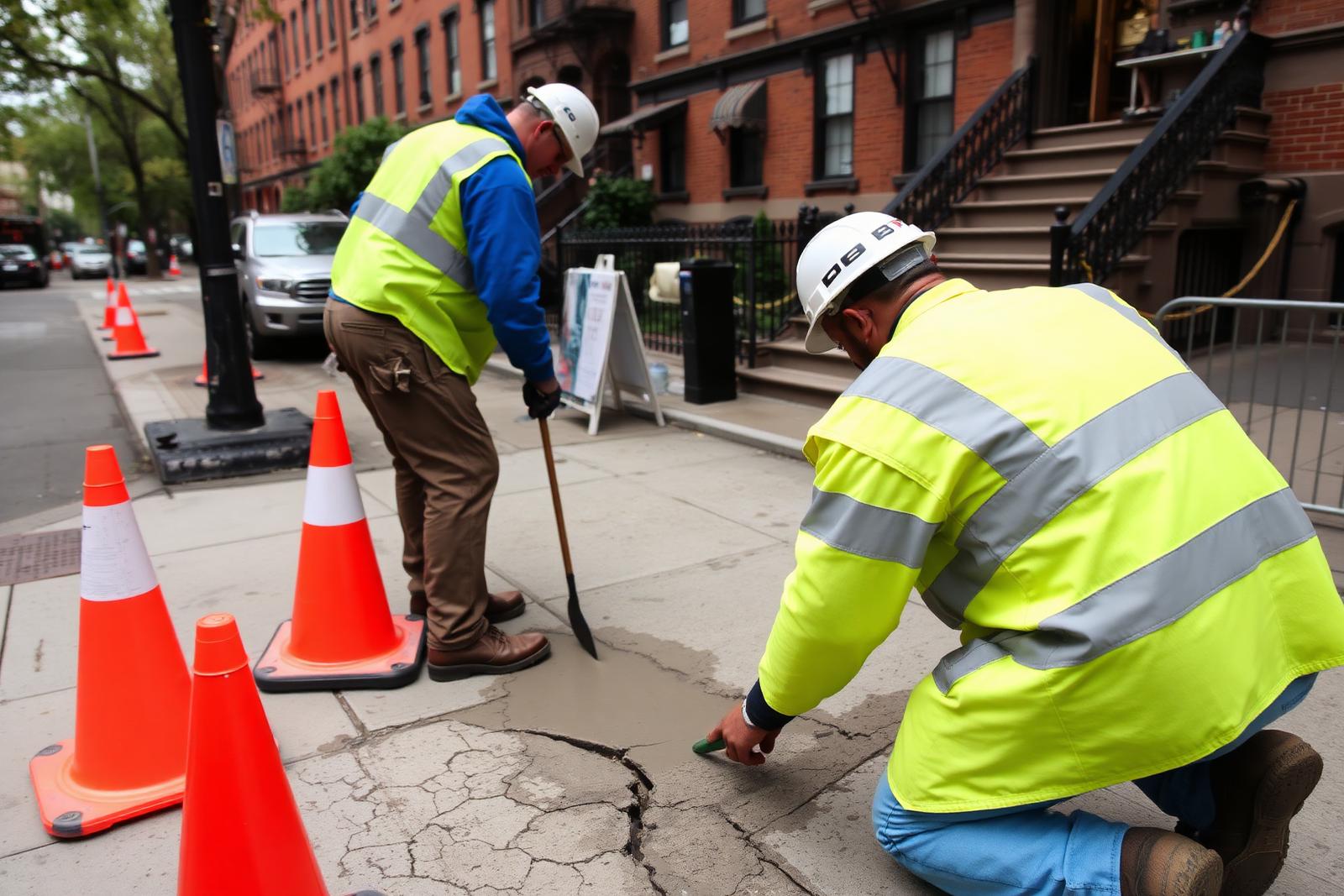
The real consequences of ignoring a NYC DOT sidewalk NOV — city-billed repairs, tax liens, sale complications, and personal injury liability.
Ignoring a NYC DOT sidewalk violation doesn't make it disappear — it makes it more expensive. Four things happen when a property owner lets an NOV go unresolved past the 75-day deadline.
1. The city does the work and bills you. NYC assigns the repair to a city-pool contractor at 2–3x private contractor pricing. A $2,000 private cure often becomes a $5,000–$7,000 city bill, and you don't get to choose the crew, schedule, or finish quality.
2. The bill becomes a property tax lien. Unpaid city sidewalk charges are added to your property tax bill and become a lien on the deed. Liens accrue interest at 9–18% and block refinancing or sale.
3. Sale of the property is blocked or discounted. Title companies flag open sidewalk violations at closing. Buyers either walk, demand a price cut equal to the estimated cure cost, or escrow 1.5x the estimated repair.
4. Personal injury liability. An open NOV is documented evidence you knew the sidewalk was defective. If someone trips on that flag, your homeowners policy may deny the claim and your personal assets are exposed.
The cheapest path is a private cure inside the 75-day window. Gotham Home Services handles NYC sidewalk violation removal end-to-end — permit, flag replacement, re-inspection, and dismissal — across all five boroughs.
Same-week scheduling across NYC and Long Island. Licensed, insured, and DOT-compliant. Fill out the form and we'll respond within one business hour.
Open Mon–Sat 7:00 AM – 7:00 PM. No spam — we only contact you about your project.