
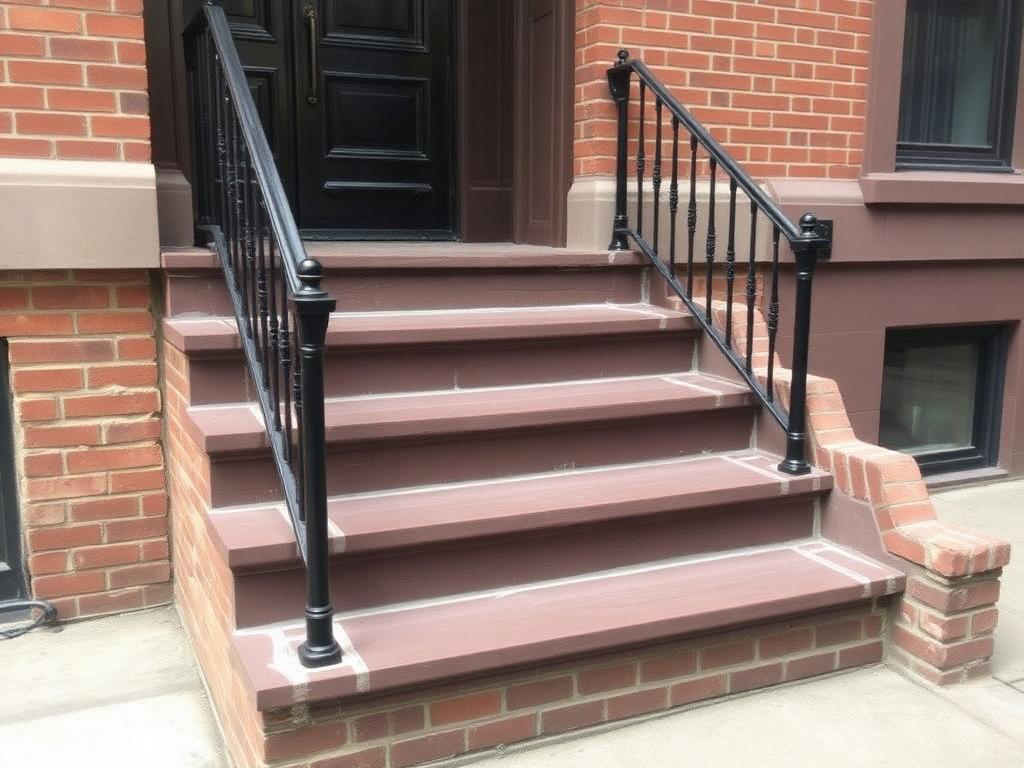
Stoops in NYC & Long Island: The Honest Overview
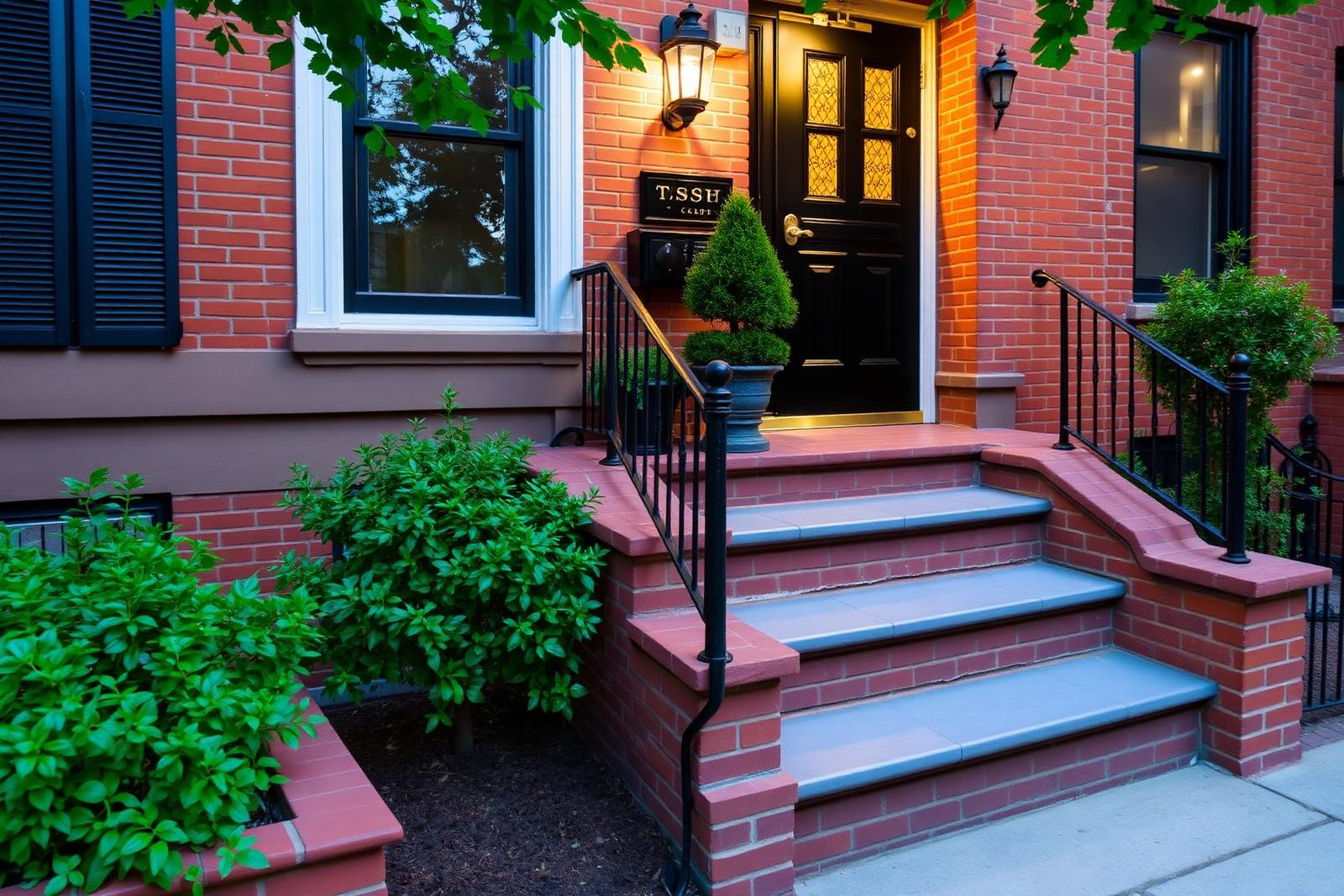
A NYC stoop is structural masonry, historic detail, and primary entry — all in one assembly that takes a century of weather and abuse. Restoring a stoop right is as much about preserving the building's character as fixing the failure.
Stoops sits at the intersection of building science, local code, and what your property actually needs over the next 20 years. Gotham Home Services has been doing this work across all five boroughs and both Long Island counties for years, and we've seen every failure mode the climate, the soil, and the previous contractor can deliver. That history is why we approach every stoops job the same way: figure out what the substrate, the structure, and the codebook all require, then deliver work that meets every one of those — not just the cheapest path through.
If you're reading this page you're probably weighing two or three contractors against each other, trying to figure out which one is being honest about scope and price. Our answer is straightforward: we tell you exactly what the job needs, we put it in writing with line items, and we don't change the number after the work starts. Below is the full picture of how we run stoops projects — the why, the materials, the steps, the mistakes other crews make, and what it actually costs in 2026.
Park Slope, Brooklyn Heights, Bed-Stuy, Crown Heights, Fort Greene, Carroll Gardens, Harlem, and Sugar Hill all sit in landmark districts where stoop work requires LPC compatibility. We've worked these blocks for years.
- Brownstone and brick stoops define entire NYC neighborhoods
- Failed stoop substructures threaten the front wall of the building above
- Landmark district stoop work requires period-correct materials and methods
- A restored stoop is the single most visible exterior improvement on a row house
Materials, Specs, and Why They Matter
Material selection is where most stoops projects are won or lost. The wrong-grade material costs 10–15% less up front and fails in a fraction of the expected service life — that's not a hypothetical, it's the failure pattern we see every week when we get called in to fix someone else's recent work. The materials and specs we use on stoops jobs aren't the most expensive on the market, but they are the right grade for the loads, the climate, and the substrate they're going on.
Every stoops job we run uses the spec below as the baseline. When the site conditions call for an upgrade (heavier traffic, problem soils, exposure, historic-district compatibility) we'll quote the upgrade explicitly and explain why. When the site conditions allow a downgrade without affecting service life, we'll quote the downgrade and pass the savings through. The point is that the spec matches the job, not the other way around.
- Salvaged or new-quarried brownstone for landmark work
- Cast brownstone (matching color and texture) for cost-sensitive jobs
- Bluestone for treads on brick stoops
- Modular and historic-match brick for risers and cheek walls
- Lime mortar for historic stoops, Type S for modern
- Stainless mechanical anchors and pinning rods
How We Actually Do the Work — Step by Step
One thing that separates real contractors from "guys with a truck" is that real contractors follow a documented process on every job, in the same order, every time. The stoops sequence below is what every one of our crews runs — not what we wish they'd do, what they actually do. If a step is skipped, the job doesn't pass our internal QC and it doesn't get billed as complete.
We share this process publicly for two reasons. First, so you know what to expect: when you book stoops with us, the steps below are the steps that happen, in this order, with photo documentation at each milestone. Second, so you can use it to evaluate any other quote you're considering. Ask the contractor across town what their process is — if they can't answer in this much detail, that's information.
- Document the existing stoop in photos and measurements before demo
- Selective demo — preserve salvageable historic material
- Inspect and repair the structural substructure
- Rebuild risers and cheek walls in original material
- Reset or replace treads with proper pitch and anchoring
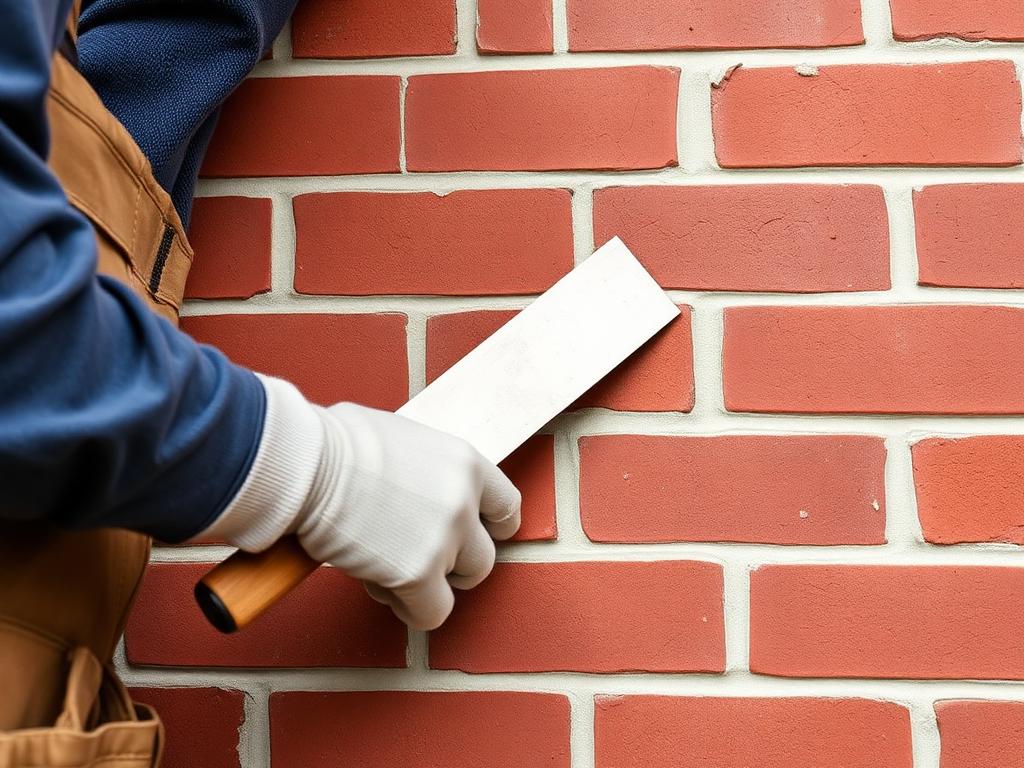
- Tuck-point with matching mortar, install drip details, reset railing
Mistakes Other Contractors Make — and What to Watch For
We get called in to fix recent stoops work all the time — sometimes a year after the original install, sometimes within weeks. The mistakes are remarkably consistent, and almost all of them are avoidable with proper training and a no-cut-corners attitude on site. If you're vetting contractors, the list below is what to look for and what to ask about.
Some of these mistakes are technical (wrong mix, wrong gauge, wrong substrate prep). Others are procedural (no permit, no written warranty, no insurance certificate). And a few are commercial red flags — pressure to sign today, large up-front deposits, "cash discounts" that conveniently leave no paper trail. We've never asked a customer for cash, we don't take more than a reasonable mobilization deposit, and we don't pressure anyone to decide before they're ready.
Cast brownstone matches color and texture extremely well at meaningful cost savings. Quarried matching brownstone (from PA or CT) is available for full landmark-grade restoration. Brick stoop rebuild: 1–2 weeks. Full brownstone restoration: 3–6 weeks depending on LPC review timing and material lead time.
- Modern Portland mortar on historic brownstone — accelerates stone failure
- Cement parging over deteriorated brownstone — traps moisture, makes it worse
- Skipping LPC review on landmark blocks — work has to come back out
- Pinning treads without stainless anchors — rust expansion cracks the stone
What Stoops Costs in 2026 — and What Moves the Number
Stoop restoration pricing in 2026: $15,000–$30,000 for brick stoop rebuilds, $25,000–$65,000+ for full brownstone restoration on landmark blocks, with structural-only repairs running $6,000–$15,000.
Pricing for stoops is driven by a handful of variables that we lay out plainly in every quote. Two jobs that look identical from the curb can price very differently once you account for sub-grade condition, access, permit requirements, and finish level. That's why we don't give blind phone quotes — a 5-minute site visit is the difference between a number you can trust and a number that grows once the work starts.
Whatever the final number ends up being, it's documented before any work begins. Line-item scope, materials by spec, labor, permit, disposal, and any allowances all show up on the estimate. Change orders (when they're needed) are written, signed, and priced before the change happens. You never get a surprise invoice at the end.
Ongoing maintenance on stoops is straightforward when the install is done right. The schedule below is what we recommend to every customer — follow it and the work we deliver lasts the full design life.
- Landmark status and required material grade
- Extent of substructural repair
- Brownstone vs. brick vs. bluestone scope
- Railing scope (preserve, restore, replace)
- Maintenance: Re-point mortar every 10–15 years
- Maintenance: Seal brownstone with breathable consolidant every 7–10 years
- Maintenance: Clear ice and snow promptly to limit freeze-thaw exposure