
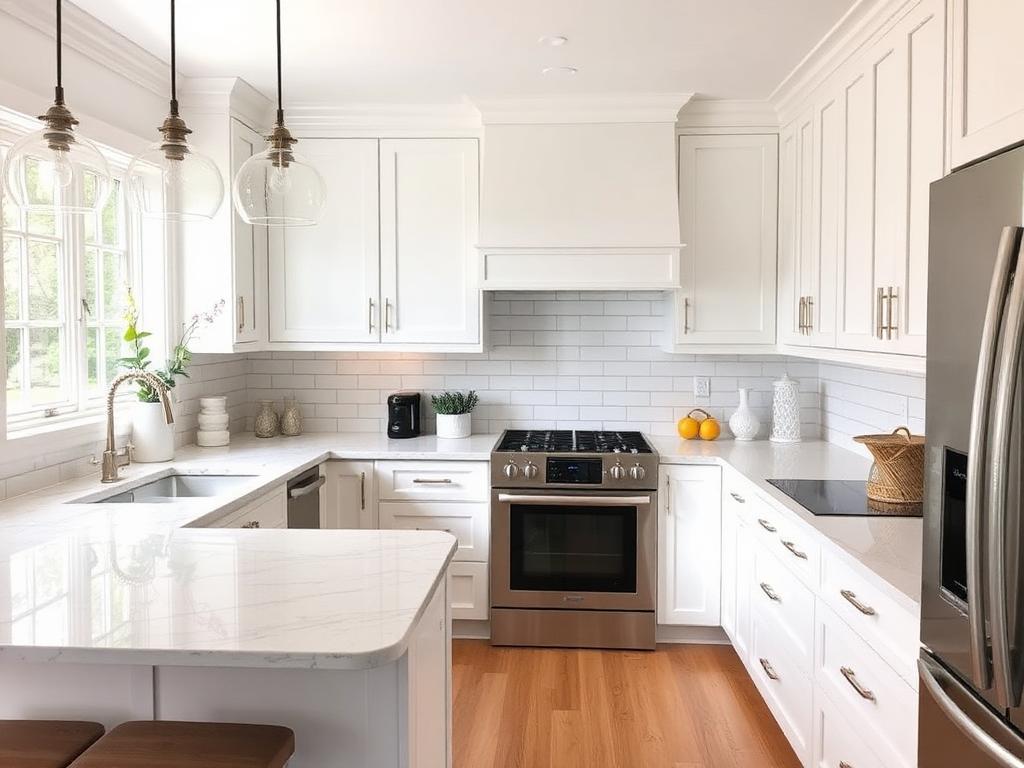
Kitchen Remodeling in NYC & Long Island: The Honest Overview
Kitchens are the highest-impact remodel by every measure — daily use, resale value, and personal satisfaction. They're also where bad design and bad construction show up earliest. The right kitchen is a 25-year asset; the wrong one is a 5-year regret.
Kitchen Remodeling sits at the intersection of building science, local code, and what your property actually needs over the next 20 years. Gotham Home Services has been doing this work across all five boroughs and both Long Island counties for years, and we've seen every failure mode the climate, the soil, and the previous contractor can deliver. That history is why we approach every kitchen remodeling job the same way: figure out what the substrate, the structure, and the codebook all require, then deliver work that meets every one of those — not just the cheapest path through.
If you're reading this page you're probably weighing two or three contractors against each other, trying to figure out which one is being honest about scope and price. Our answer is straightforward: we tell you exactly what the job needs, we put it in writing with line items, and we don't change the number after the work starts. Below is the full picture of how we run kitchen remodeling projects — the why, the materials, the steps, the mistakes other crews make, and what it actually costs in 2026.
NYC apartment kitchens almost always need board approval — we handle the alteration agreement, insurance certificates, and contractor packets. Long Island detached kitchens move faster but often involve structural wall removal and new beam installation.
- Kitchen remodels return 60–80% of cost at resale on most NYC and LI properties
- Modern code requires GFCI outlets, dedicated circuits, and proper ventilation
- Quartz, porcelain, and engineered surfaces have largely replaced granite and marble
- Cabinet quality (frame, joinery, hardware) is the single biggest cost-driver
Materials, Specs, and Why They Matter
Material selection is where most kitchen remodeling projects are won or lost. The wrong-grade material costs 10–15% less up front and fails in a fraction of the expected service life — that's not a hypothetical, it's the failure pattern we see every week when we get called in to fix someone else's recent work. The materials and specs we use on kitchen remodeling jobs aren't the most expensive on the market, but they are the right grade for the loads, the climate, and the substrate they're going on.
Every kitchen remodeling job we run uses the spec below as the baseline. When the site conditions call for an upgrade (heavier traffic, problem soils, exposure, historic-district compatibility) we'll quote the upgrade explicitly and explain why. When the site conditions allow a downgrade without affecting service life, we'll quote the downgrade and pass the savings through. The point is that the spec matches the job, not the other way around.
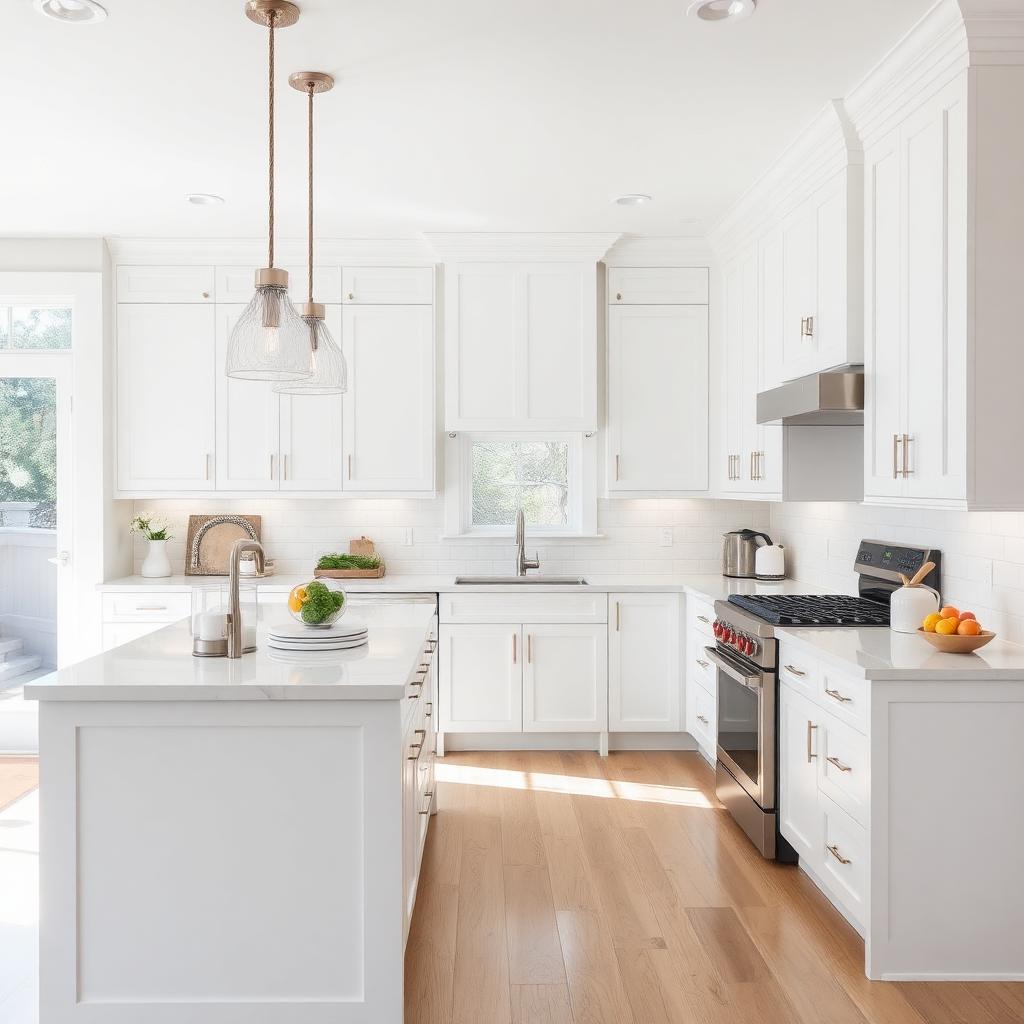
- Custom and semi-custom cabinets (Wood-Mode, Decorá, Kemper, KraftMaid)
- Quartz countertops (Caesarstone, Silestone, Cambria, MSI)
- Porcelain slab countertops and waterfall panels
- Professional-grade appliances (Wolf, Sub-Zero, Miele, Bosch, JennAir)
- Engineered hardwood or LVP flooring
- Code-compliant range hoods (proper CFM and external venting)
How We Actually Do the Work — Step by Step
One thing that separates real contractors from "guys with a truck" is that real contractors follow a documented process on every job, in the same order, every time. The kitchen remodeling sequence below is what every one of our crews runs — not what we wish they'd do, what they actually do. If a step is skipped, the job doesn't pass our internal QC and it doesn't get billed as complete.
We share this process publicly for two reasons. First, so you know what to expect: when you book kitchen remodeling with us, the steps below are the steps that happen, in this order, with photo documentation at each milestone. Second, so you can use it to evaluate any other quote you're considering. Ask the contractor across town what their process is — if they can't answer in this much detail, that's information.
- Design consultation, layout, material selection, 3D rendering
- Permit pull for plumbing, electrical, or structural changes
- Demo of existing kitchen — full or partial
- Rough plumbing, electrical, HVAC, framing changes
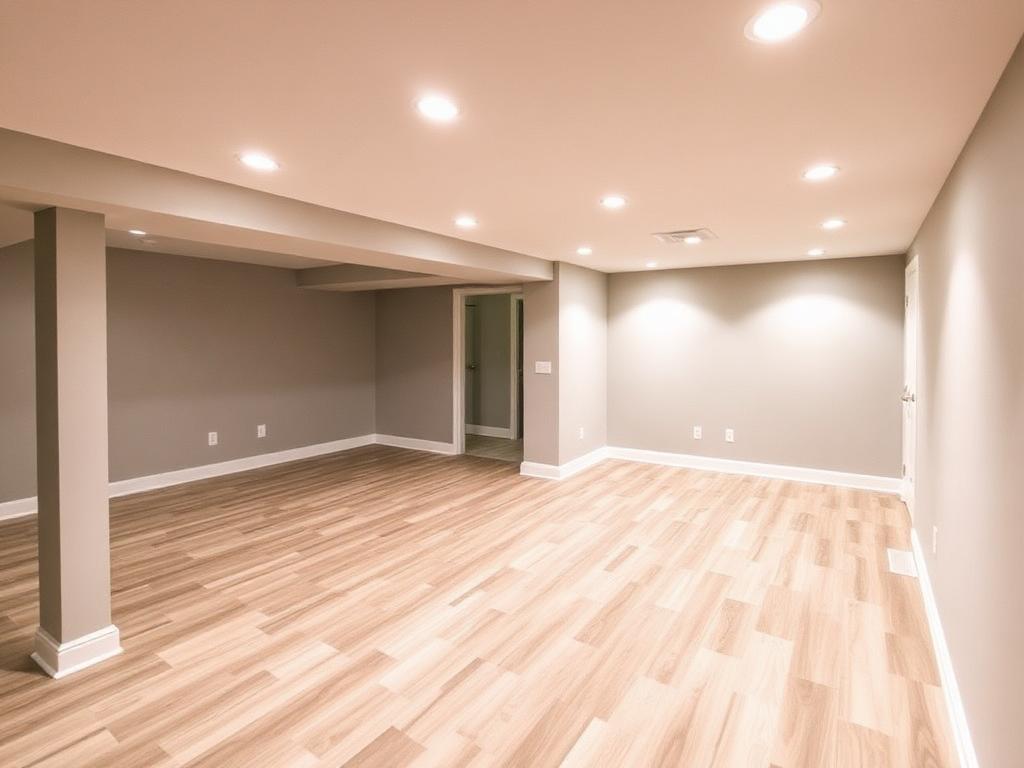
- Drywall, paint, flooring
- Cabinet installation, countertop template and install
- Appliance set, plumbing trim, electrical trim, backsplash, final walk-through
Mistakes Other Contractors Make — and What to Watch For
We get called in to fix recent kitchen remodeling work all the time — sometimes a year after the original install, sometimes within weeks. The mistakes are remarkably consistent, and almost all of them are avoidable with proper training and a no-cut-corners attitude on site. If you're vetting contractors, the list below is what to look for and what to ask about.
Some of these mistakes are technical (wrong mix, wrong gauge, wrong substrate prep). Others are procedural (no permit, no written warranty, no insurance certificate). And a few are commercial red flags — pressure to sign today, large up-front deposits, "cash discounts" that conveniently leave no paper trail. We've never asked a customer for cash, we don't take more than a reasonable mobilization deposit, and we don't pressure anyone to decide before they're ready.
Typical mid-range NYC kitchen: 6–10 weeks from demo to walk-through. Custom kitchens with structural changes: 12–16 weeks. Yes for most projects — we phase the work to keep at least a microwave/coffee station available. Full-gut jobs may need a 1–2 week temporary kitchen setup.
- Skipping the permit on a structural wall removal
- Recirculating range hood instead of vented — moisture and grease build up in cabinets
- Cheap soft-close hinges that fail in 2 years
- Quartz seam placement in the wrong location
What Kitchen Remodeling Costs in 2026 — and What Moves the Number
Kitchen remodel pricing in 2026: $35,000–$70,000 for mid-range full remodel, $70,000–$140,000 for custom semi-modern, $150,000+ for full luxury with structural changes and pro appliances.
Pricing for kitchen remodeling is driven by a handful of variables that we lay out plainly in every quote. Two jobs that look identical from the curb can price very differently once you account for sub-grade condition, access, permit requirements, and finish level. That's why we don't give blind phone quotes — a 5-minute site visit is the difference between a number you can trust and a number that grows once the work starts.
Whatever the final number ends up being, it's documented before any work begins. Line-item scope, materials by spec, labor, permit, disposal, and any allowances all show up on the estimate. Change orders (when they're needed) are written, signed, and priced before the change happens. You never get a surprise invoice at the end.
Ongoing maintenance on kitchen remodeling is straightforward when the install is done right. The schedule below is what we recommend to every customer — follow it and the work we deliver lasts the full design life.
- Cabinet line (stock, semi-custom, full custom)
- Countertop material and complexity
- Appliance package
- Layout changes requiring plumbing/electrical moves
- Maintenance: Re-seal natural stone counters annually (quartz doesn't need sealing)
- Maintenance: Clean range hood filter monthly
- Maintenance: Tighten cabinet hardware annually